The Real Estate (Regulation and Development) Act, 2016 (RERA): Protecting the Rights of Property Buyers in India and How to Avoid Legal Pitfalls When Buying or Selling Property
The Real Estate (Regulation and Development) Act, 2016 (RERA) is a landmark legislation that was enacted to protect the interests of property buyers and to promote transparency and accountability in the real estate sector in India.
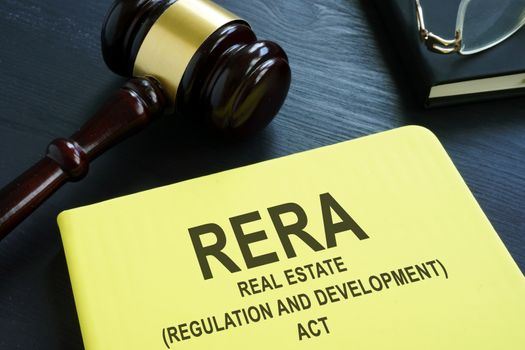
RERA
has a number of provisions that benefit property buyers, including:
· Compulsory
registration of all real estate projects with the Real Estate Regulatory
Authority (RERA)
· Disclosure
of all relevant information about the project, such as the project plan,
timeline, and budget
· Protection
of buyers' deposits by requiring developers to deposit 70% of the funds
received from buyers into a separate escrow account
· Establishment
of a grievance redressal mechanism for speedy resolution of disputes between
buyers and developers
However,
even with RERA in place, there are still some legal pitfalls that property
buyers and sellers need to be aware of.

Here
are some tips on how to avoid legal pitfalls when buying or selling property in
India:
· Get
the title to the property properly examined by a qualified lawyer. This is
essential to ensure that the seller has the legal right to sell the property
and that there are no liens or encumbrances on the title.
· Have
a written contract in place for the sale of the property. The contract
should clearly set out the terms of the sale, including the price, the payment
schedule, and the closing date. It is also important to have the contract
reviewed by a lawyer before signing it.
· Be
aware of all of the relevant laws and regulations that govern real estate
transactions in India. This includes laws such as RERA, the Registration
Act, and the Stamp Act.
·
Consider working with a qualified real
estate agent. A good real estate agent can help you navigate the legal
process and protect your interests.
Here
are some specific examples of legal pitfalls that property buyers and sellers
may face in India:
· Delays
in project completion: RERA has set timelines for project completion, but
developers still sometimes fail to meet these deadlines. This can cause
financial and emotional hardship for buyers.
· Defects
in construction: Buyers may also find that their properties have defects
in construction. This can be a costly problem to fix, and it can also make the
property difficult to sell in the future.
· Change
in project plans: Developers may sometimes change the project plans
without the consent of buyers. This can lead to disputes over the price of the
property, the amenities that are promised, and the overall quality of the
project.
· Title
disputes: Title disputes can arise when there is a dispute over who owns
the property or when there are liens or encumbrances on the title. These
disputes can be complex and time-consuming to resolve.
Some
additional suggestions for avoiding legal pitfalls when buying or selling
property in India:
For
buyers:
· Do
your research on the developer. Before investing in any property, it is
important to research the developer's track record. This will help you to
identify any potential red flags, such as a history of delays in project
completion or defects in construction.
· Get
all promises in writing. If the developer promises you anything, such as a
certain completion date or a specific set of amenities, make sure to get it in
writing. This will help to protect you in case the developer fails to deliver
on their promises.
· Be
aware of the hidden costs of buying property. In addition to the purchase
price of the property, there are a number of other costs associated with buying
property, such as registration fees, stamp duty, and GST. It is important to be
aware of these costs so that you can budget accordingly.
For
sellers:
· Make
sure that you have all of the necessary documentation in place. This
includes the title to the property, the tax assessment, and any other relevant
documents.
· Be
honest about the condition of the property. If the property has any
defects, disclose them to the buyer upfront. This will help to avoid any
disputes after the sale.
· Be
prepared to negotiate. Buyers may try to negotiate the price of the
property or other terms of the sale. Be prepared to negotiate in good faith,
but don't be afraid to walk away from the deal if you are not satisfied with
the terms.


Comments
Post a Comment